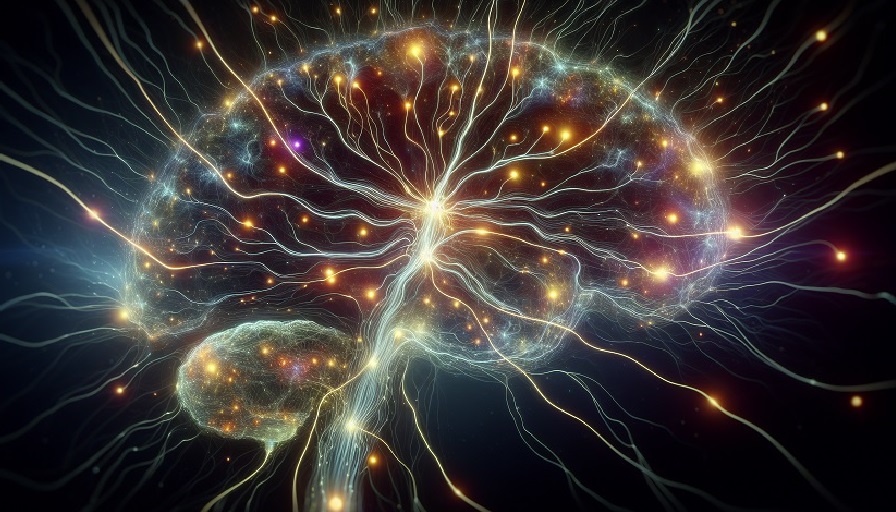
Yes – Rhodiola Rosea is one of the most well-researched natural adaptogens for reducing cortisol and the mental cloudiness that chronic stress produces, with clinical studies showing it can measurably lower stress hormone levels and improve cognitive performance in people under pressure. Its effects on both the stress response and brain function make it one of the more targeted natural options for stress-related brain fog specifically.
What Is Stress-Related Brain Fog?
Brain fog is not a medical diagnosis – it is a descriptive term for a cluster of cognitive symptoms that many people recognize immediately: difficulty concentrating, slow or fuzzy thinking, trouble finding words, poor short-term memory, and a general sense that the mental gears are not turning as smoothly as they should. When these symptoms are driven by stress, the underlying cause is largely hormonal.
Chronic stress keeps the body in a prolonged state of alert, flooding the system with cortisol – the body’s primary stress hormone. In short bursts, cortisol is useful. It sharpens attention, mobilizes energy, and prepares the body to respond to a threat. But when cortisol levels stay elevated for days, weeks, or months – as they do during chronic work stress, caregiving demands, financial pressure, or ongoing anxiety – the brain begins to pay a steep price.
What Chronic Cortisol Does to the Brain
The hippocampus – the brain region most critical for forming new memories and retrieving stored ones – is particularly vulnerable to cortisol overload. It is densely packed with cortisol receptors, which means it is highly responsive to stress hormone levels. Under short-term stress, this is useful. Under chronic stress, it becomes damaging.
Prolonged cortisol exposure suppresses the growth of new neurons in the hippocampus, weakens existing neural connections, and can actually reduce hippocampal volume over time. The prefrontal cortex – responsible for focus, planning, and rational decision-making – is also impaired by chronic cortisol, which is why stressed people often find it harder to concentrate and easier to act impulsively.
The result is a brain that is simultaneously overstimulated and underperforming: alert to threat, but struggling with the kind of clear, sustained thinking that work and daily life demand. This is stress-related brain fog, and addressing it requires more than just telling someone to relax.
What Is Rhodiola Rosea?
Rhodiola Rosea is a flowering plant that grows in cold, high-altitude regions of Europe and Asia, including Siberia, Scandinavia, and the Arctic. It has been used for centuries in traditional medicine across these regions – by Vikings for endurance, by Soviet-era researchers studying performance under extreme conditions, and in Tibetan and Chinese herbal practice for vitality and resilience.
It belongs to a class of herbs called adaptogens – plants that help the body adapt to physical and psychological stress without overstimulating or sedating. The active compounds in Rhodiola most associated with its stress-modulating effects are rosavins and salidroside, which work together to influence the hypothalamic-pituitary-adrenal (HPA) axis – the hormonal control system that governs the stress response and cortisol release.
How Rhodiola Reduces Cortisol
The HPA axis functions like a thermostat for the stress response. When a stressor is detected, the hypothalamus signals the pituitary gland, which signals the adrenal glands to release cortisol. In a healthy stress response, the system turns itself off once the threat has passed. In chronic stress, this feedback loop becomes dysregulated and cortisol stays elevated.
Rhodiola’s rosavins and salidroside appear to help normalize HPA axis activity – essentially recalibrating the thermostat so that the stress response is proportionate rather than perpetually switched on. Clinical studies have found that people taking Rhodiola show lower cortisol output in response to stressors compared to those taking a placebo, and report significantly lower perceived stress, anxiety, and mental fatigue.
In one well-cited study of physicians working night shifts – a population under intense cognitive and physical stress – those taking Rhodiola showed measurably better performance on tests of mental speed, accuracy, and short-term memory compared to the placebo group. The effect was attributed to reduced stress-related fatigue rather than direct stimulation.
Rhodiola and Brain Fog Directly
Beyond its effect on cortisol, Rhodiola has additional mechanisms relevant to brain fog. It supports the activity of serotonin and dopamine – neurotransmitters that regulate mood, motivation, and mental clarity – by inhibiting the enzymes that break them down. It also increases the permeability of the blood-brain barrier to dopamine precursors, making it easier for the brain to maintain adequate levels of this key neurotransmitter under stress.
Research has also found that Rhodiola reduces the buildup of stress-induced beta-endorphins in the bloodstream, which contribute to the heavy, sluggish mental feeling that follows prolonged stress exposure. Taken together, these effects explain why many people report that Rhodiola lifts the cognitive heaviness of stress more noticeably than supplements that address only one pathway.
Is It Safe?
Rhodiola Rosea has a strong safety record and is well tolerated by most healthy adults. Side effects are uncommon and typically mild – occasional dizziness or dry mouth, usually at higher doses. Because it has a mild energizing effect, taking it late in the day may interfere with sleep for some people. It is best taken in the morning or early afternoon. People taking antidepressants or medications that affect serotonin should consult a doctor before use.
The Bottom Line
Rhodiola Rosea addresses stress-related brain fog at its root rather than just masking the symptoms. By helping regulate cortisol through the HPA axis, supporting key neurotransmitters, and reducing the neurological burden of chronic stress, it targets the actual mechanisms behind foggy, slow thinking under pressure. For people whose mental clarity suffers most when life is at its most demanding, it is one of the better-supported natural options available.