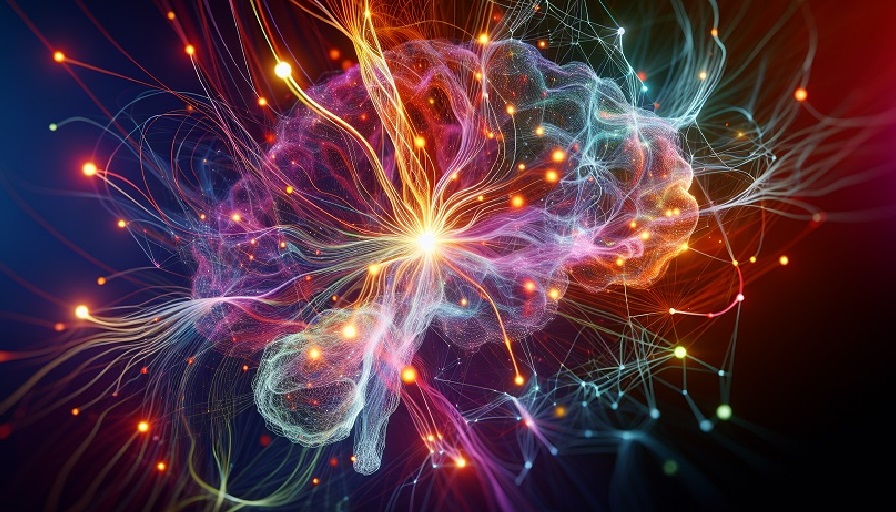
Lion’s Mane mushroom shows genuine promise for supporting brain recovery after a concussion, though most of the evidence so far comes from animal studies rather than large human clinical trials. Its ability to stimulate nerve growth and reduce brain inflammation makes it one of the more scientifically interesting natural supplements for traumatic brain injury recovery.
What Is a Concussion?
A concussion is a type of mild traumatic brain injury (TBI) caused by a bump, blow, or jolt to the head. The brain sits inside a fluid-filled skull, but a hard enough impact can cause it to shift and bounce against the inner wall of the skull. This disrupts normal brain cell function and can cause a range of symptoms including headaches, difficulty concentrating, memory problems, fatigue, irritability, and sensitivity to light or noise.
Most people recover fully from a single concussion within a few weeks. However, recovery can be slower for some individuals – particularly those who have had multiple concussions, those who return to physical activity too soon, or those who do not get enough rest after the injury.
What Is Lion’s Mane Mushroom?
Lion’s Mane (Hericium erinaceus) is a white, shaggy mushroom that looks a bit like a lion’s mane – hence the name. It has been used in traditional Chinese medicine for centuries, and in recent years it has attracted serious scientific interest for its effects on the brain and nervous system.
The key compounds in Lion’s Mane are called hericenones and erinacines. These naturally occurring chemicals have been shown in laboratory and animal studies to cross the blood-brain barrier – the protective filter that controls what enters the brain – and stimulate the production of a protein called nerve growth factor (NGF).
Why Nerve Growth Factor Matters for Concussion Recovery
Nerve growth factor is a protein the brain needs to maintain, repair, and grow nerve cells, also called neurons. After a concussion, some neurons are damaged or die, and the brain’s communication pathways can be disrupted. The healing process depends partly on the brain’s ability to repair these connections and, in some cases, build new ones.
This process is known as neuroplasticity – the brain’s ability to reorganize and adapt after injury. NGF plays a direct role in supporting neuroplasticity. By stimulating NGF production, Lion’s Mane may help accelerate the repair process that follows a concussion.
In animal studies, Lion’s Mane extract given after a traumatic brain injury has been associated with reduced cell death, faster recovery of motor function, and lower levels of brain inflammation. These are meaningful findings, even if they have not yet been fully replicated in large human trials.
What About Inflammation?
One of the most damaging aspects of a concussion is not the initial impact itself – it is the wave of inflammation that follows. After a brain injury, immune cells in the brain called microglia become activated and release inflammatory chemicals as part of the healing response. In the short term, this is normal and necessary. But when inflammation persists longer than it should, it can slow recovery and cause additional harm to brain cells.
Lion’s Mane has shown anti-inflammatory effects in multiple studies. It appears to reduce the activity of certain inflammatory pathways in the brain, which could help bring the post-concussion inflammatory response back under control more quickly.
What Does the Human Research Show?
Human research on Lion’s Mane specifically for concussion recovery is still limited. Most clinical trials involving Lion’s Mane in humans have focused on mild cognitive impairment and early-stage dementia in older adults – and the results there have been encouraging.
One well-cited Japanese study found that older adults with mild cognitive impairment who took Lion’s Mane supplements for several months scored significantly higher on cognitive tests than those who took a placebo. While concussion and age-related cognitive decline are different conditions, both involve disrupted neuron function and inflammation, so the overlap is relevant.
Researchers and clinicians working in sports medicine and traumatic brain injury recovery have begun to take serious notice of Lion’s Mane, and more targeted human trials are underway. The current evidence does not allow anyone to say definitively that Lion’s Mane will speed up concussion recovery in every person – but what is known suggests it works through mechanisms that are directly relevant to what the injured brain needs.
Is It Safe to Use During Concussion Recovery?
Lion’s Mane is generally well tolerated and considered safe for most people. It has been consumed as a food and medicine in Asia for a very long time without significant reports of toxicity. Mild digestive discomfort is the most commonly reported side effect. People with mushroom allergies should avoid it, and as always, anyone recovering from a brain injury should discuss any new supplement with their doctor before starting it.
The Bottom Line
Lion’s Mane mushroom is not a proven medical treatment for concussions, and it should never replace rest, medical evaluation, or a supervised return-to-activity protocol. But its ability to stimulate nerve growth factor and reduce brain inflammation puts it in a genuinely interesting category for those looking to support recovery naturally. As the human research catches up with the animal studies, Lion’s Mane may well become a recognized part of the conversation around brain injury recovery.